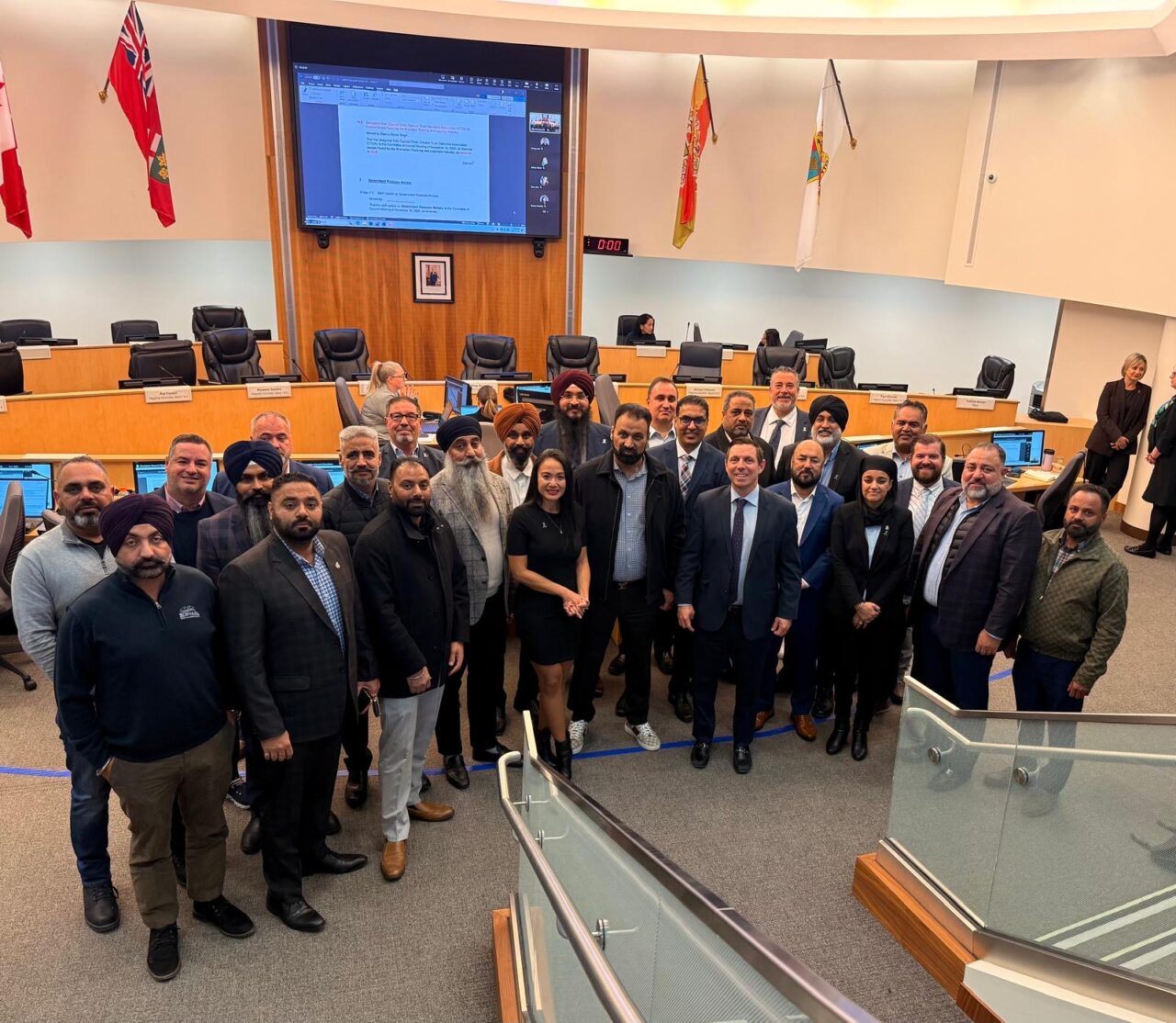
Brampton session brings together Peel Police, TTSAO leadership, safety experts, insurance professionals and small carriers to focus on root causes, not blame
BRAMPTON, ON: The Canada Truck Operators Association (CTOA) says governments and policymakers must look beyond headlines and listen directly to the drivers, owner-operators and small-to-mid-size fleet owners who make up the backbone of Canada’s trucking industry.
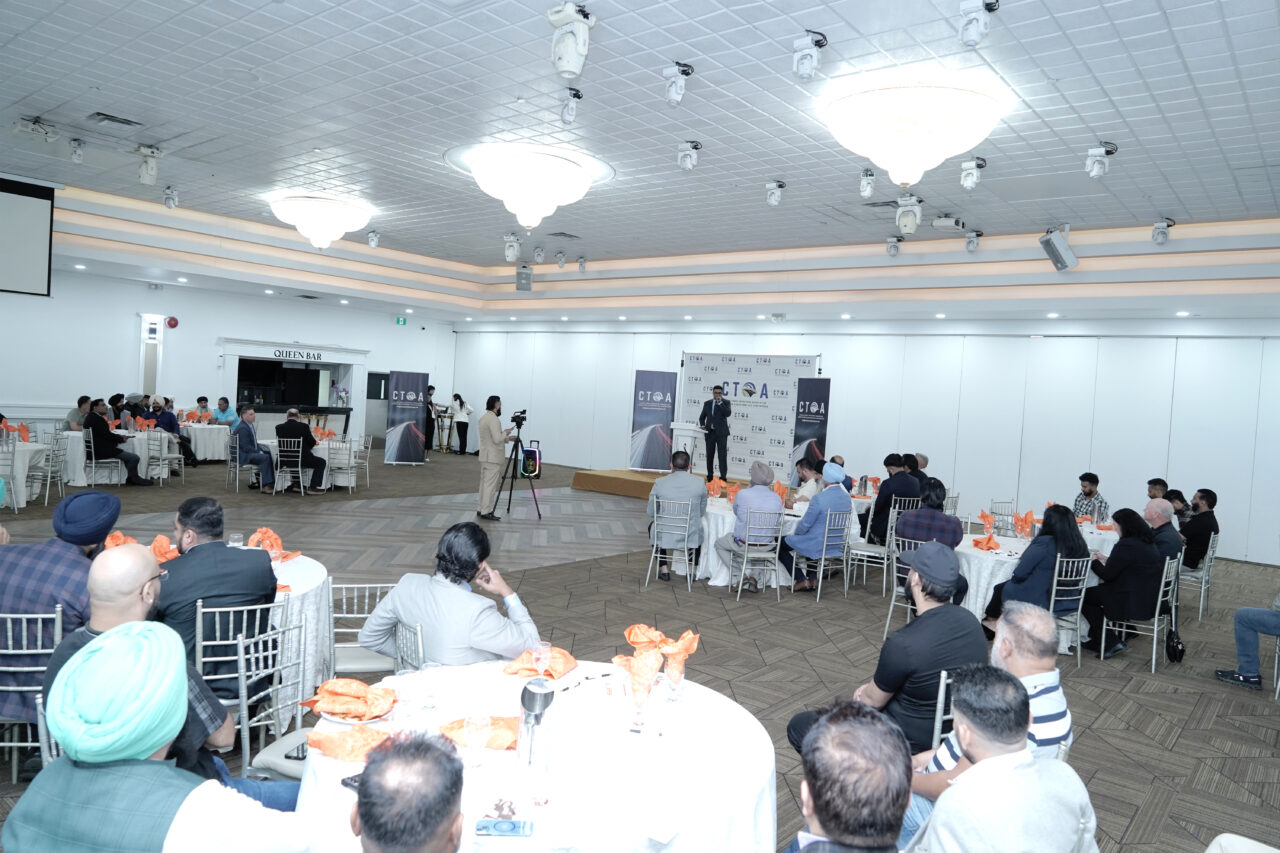 CTOA hosted a Member Information Session in Brampton focused on driver wellbeing, mental health, safety, cargo theft, training standards, fair enforcement, insurance risk, evidence-based road safety policy and the real operating pressures facing trucking companies.
The event brought together trucking operators, owner-operators, small and mid-size carriers, drivers, enforcement partners, training professionals, safety experts, insurance representatives and industry stakeholders for a practical discussion on how to strengthen the industry.
“Canada needs a serious conversation about trucking, but that conversation cannot only happen about operators, it must happen with operators,” said Tejpreet Dulat, spokesperson for CTOA. “Drivers and small carriers are often presented as the problem, but many are also victims of a system that needs stronger oversight, clearer rules, better training checks and fair enforcement.”
CTOA said the industry must not be painted with one brush. While the association supports enforcement against bad actors, it says responsible operators, drivers and companies also need fair process, practical policy and a seat at the table.
According to federal industry data, truck transportation in Canada is overwhelmingly made up of small businesses. In 2025, 83.4 per cent of employer establishments in the sector were micro businesses with fewer than five employees, while small establishments accounted for another 16.1 per cent.
“That means the people most affected by new policy, enforcement actions, insurance pressure and public narratives are often small business owners, family-run carriers, owner-operators and drivers,” Dulat said. “If we are serious about fixing problems in trucking, we need to listen to the people living the reality every day.”
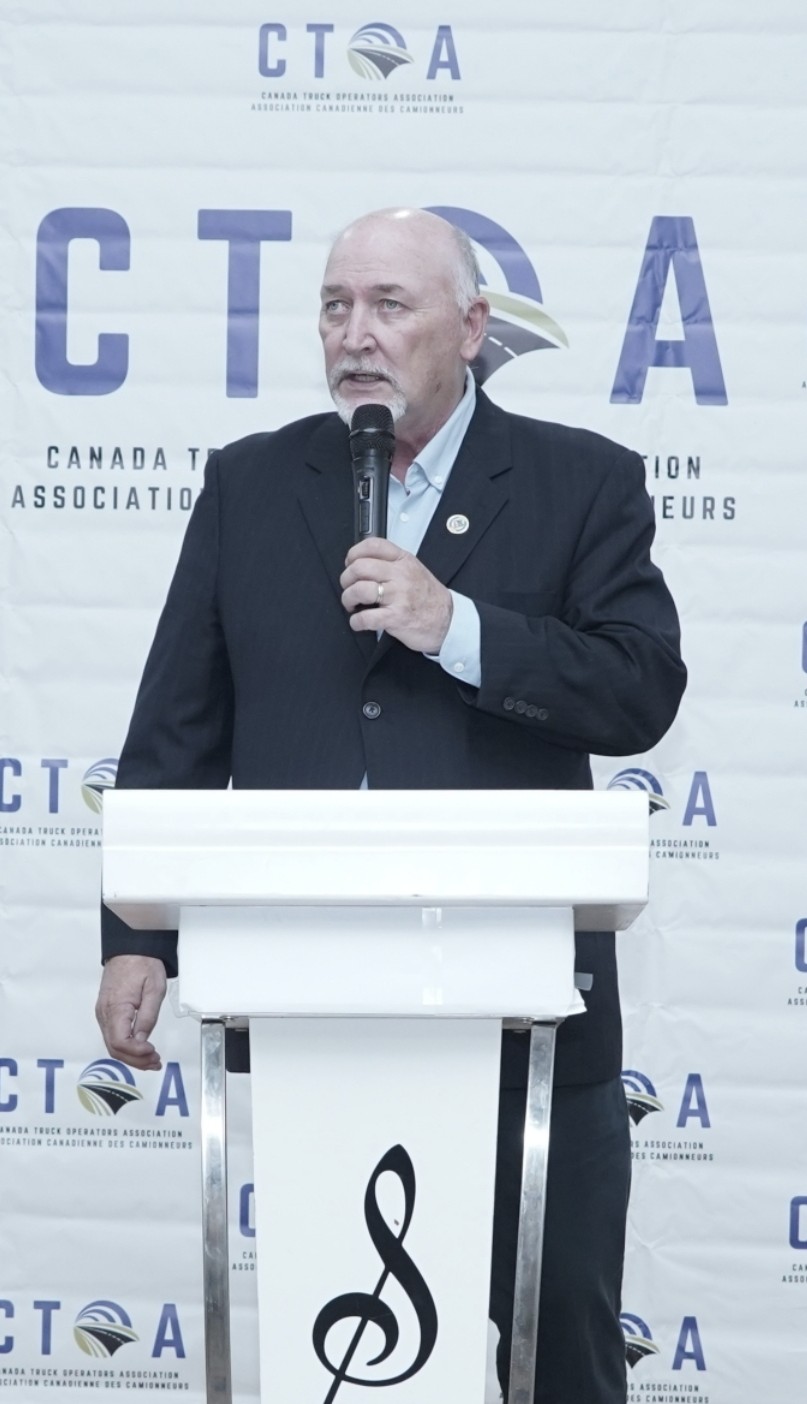 A key focus of the event was the need to strengthen driver training standards and oversight. Philip Fletcher, President of the Truck Training Schools Association of Ontario, addressed the importance of proper training, road safety, professional readiness and public confidence in the commercial transportation sector.
Fletcher said stronger checks and stricter standards for driving schools must be part of the solution.
“When a driver goes to a training school, they trust the system to prepare them properly,” Dulat said. “When a company hires a driver with government-issued credentials and documentation, the company is also relying on that system. If training quality is inconsistent, then both the driver and the company can become victims of a larger failure. The government needs to look at the root cause.”
The event also featured Stefano Peca of Peel Regional Police, Commercial Auto Crime Bureau, who spoke about commercial auto crime, cargo theft trends, prevention practices, reporting procedures and how fleet operators can work more effectively with law enforcement partners.
CTOA said cargo theft is no longer only an industry issue. It affects drivers, carriers, insurers, shippers, consumers and the broader supply chain. The association called for stronger cooperation between operators, police, government and industry stakeholders.
During the session, CTOA welcomed British Columbia’s recent move to mandate outward-facing dash cameras for commercial trucks, calling it an important step for road safety, accountability and fair investigations. CTOA also suggested that Ontario and other provinces should review B.C.’s approach and consider similar measures, with proper privacy safeguards, consultation with industry and clear rules for how footage may be used. Dash cameras can help make roads safer, support investigations, protect the public and provide important evidence when a collision occurs.
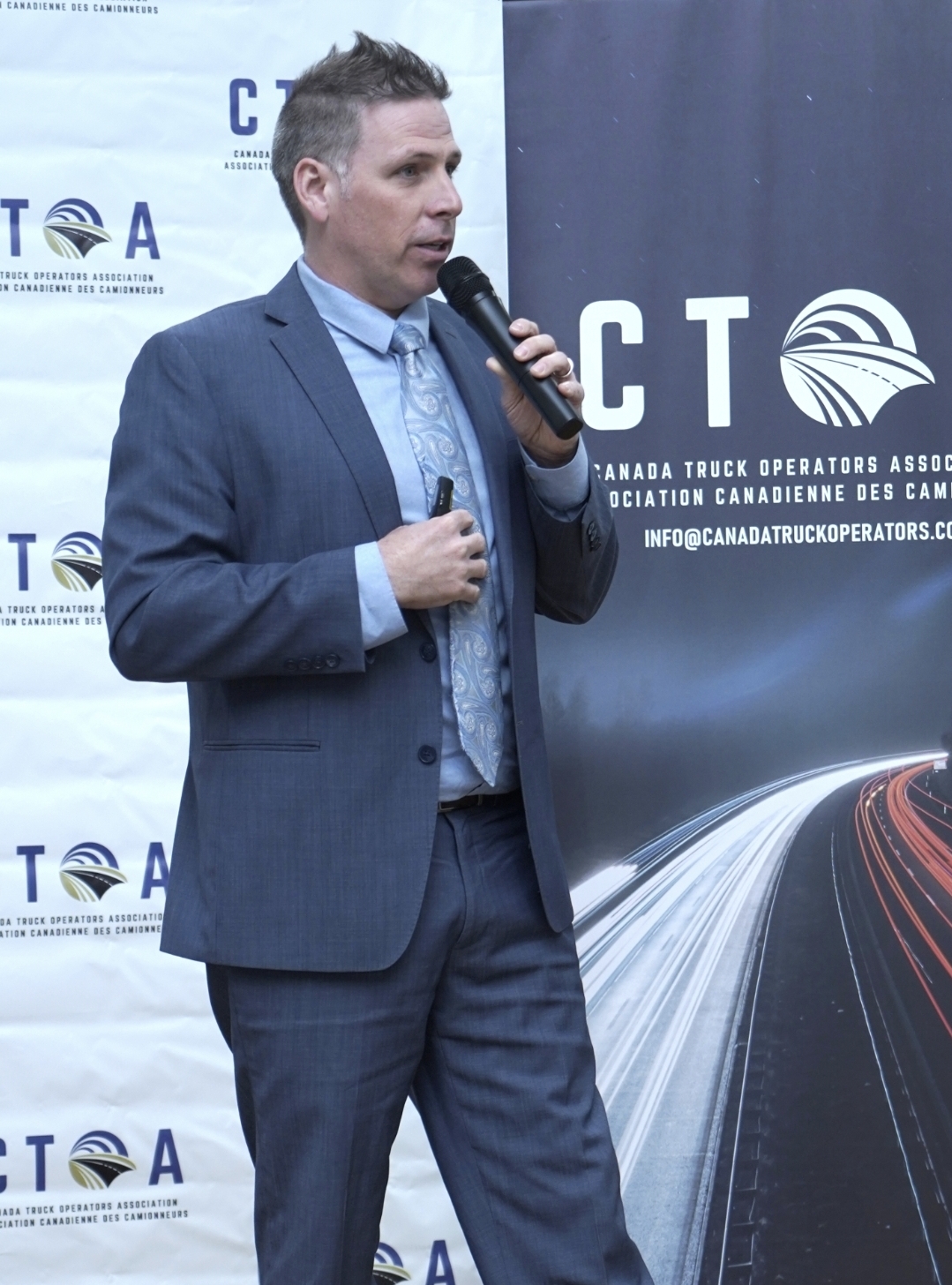 Chris Wilkinson, CEO of Nordrux Inc., spoke about fitness for duty, occupational health, human resources considerations and drug and alcohol testing awareness in safety-sensitive transportation operations.
CTOA said driver mental health and wellbeing must become a central part of the national trucking conversation.
“Truck drivers work long hours, spend time away from family, face pressure from schedules, traffic, isolation, safety expectations and public judgment,” Dulat said. “If we want safer roads, we must also talk about driver wellbeing, mental health, fatigue and the pressures drivers face behind the wheel.”
Jamie Beaudoin, Risk Control Consultant, Transportation and Fleet with Intact Insurance, addressed transportation risk management, fleet safety and practical steps operators can take to reduce risk and strengthen safety practices.
CTOA said the Brampton session was intentionally designed to show a constructive path forward: safety, training, enforcement cooperation, driver wellbeing, dash camera technology, insurance risk management and evidence-based policy.
“Responsible operators support safety, compliance and fair enforcement,” CTOA said. “But responsible operators also deserve to be heard. Many small carriers are facing rising insurance costs, diesel prices, equipment costs, compliance pressure, repair costs and delayed payments. These businesses keep Canada moving, and they need practical solutions, not just public blame.”
CTOA said recent national media coverage has created an important opportunity for reform, but warned that reform must be balanced and based on real industry conditions.
“The easy thing is to blame everyone,” Dulat said. “The harder but more responsible thing is to find the root causes: training gaps, unclear rules, inconsistent enforcement, rising costs, pressure in the supply chain and lack of direct engagement with real stakeholders.”
CTOA is calling for governments and policymakers to engage directly with drivers, owner-operators, small and mid-size fleet owners, training institutions, enforcement partners, insurance experts and safety professionals before introducing new policy measures.
The association said it will continue collecting member feedback and developing recommendations on driver training, cargo theft prevention, mental health and driver wellbeing, fair enforcement, safety, insurance, operating costs, dash camera policy and supply-chain resilience.
“Canada’s supply chain depends on the people in this industry,” Dulat said. “If policy is made without drivers and small carriers at the table, the solution will be incomplete. It is time to listen to the real stakeholders.”