
Association urges governments to monitor transportation impacts and consider targeted temporary relief if elevated fuel costs persist
Mississauga, ON, September 10, 2026:- The Canada Truck Operators Association (CTOA) is calling on federal and provincial governments to closely monitor the impact of rapidly rising diesel prices on small and mid-sized trucking businesses and Canada’s supply chain.
As of September 10, Canada’s volume-weighted average retail diesel price was approximately $2.49 per litre, according to Kalibrate Canada, adding significant new operating pressure for carriers already facing challenging freight conditions, rising equipment and insurance costs, and tight operating margins.
For trucking companies, particularly smaller fleets and owner-operators, increases in diesel prices are felt immediately at the fuel pump, while the ability to recover those costs through freight rates or fuel surcharges can take considerably longer.
“When diesel prices increase this quickly, trucking companies pay that additional cost immediately, but recovering it from customers may take weeks or may not be fully possible at all,” said Tejpreet Dulat, Director of Government and Public Affairs with the Canada Truck Operators Association. “For a small carrier operating 10, 20 or 50 trucks, even relatively small increases per litre can translate into substantial additional weekly operating costs.”
While fuel surcharges can help larger contractual operations manage fluctuations, CTOA says they do not eliminate the pressure facing many small and mid-sized carriers, particularly companies operating in competitive freight markets where rates cannot always be adjusted immediately.
Supply-chain costs can eventually reach consumers
CTOA cautions that prolonged increases in diesel prices affect more than trucking companies.
Trucks transport groceries, construction materials, manufacturing inputs, retail products and countless other goods across Canada. Although carriers may initially absorb some of the additional fuel expense, sustained increases ultimately place upward pressure on freight costs throughout the supply chain.
“We should not suggest that every increase in diesel immediately becomes a higher price for consumers,” Dulat said. “The trucking company often absorbs that pressure first. But businesses cannot absorb rapidly rising fuel costs indefinitely. If elevated prices continue, eventually some of those costs will move through freight rates and the broader supply chain.”
Long-haul and specialized trucking operations can face particularly significant exposure because tractors travel thousands of kilometres each week. Temperature-controlled operations can face additional fuel costs associated with operating refrigerated equipment.
Small carriers need particular attention
CTOA says the current situation reinforces recommendations recently submitted through its Budget 2026 Policy Brief, which calls for federal economic and transportation policies to better recognize the realities facing small carriers, owner-operators and growing fleets.
Among its recommendations, CTOA has called for:
- Measures that help smaller carriers invest in fuel-efficiency, anti-idling, safety and operational technology,
- Accelerated investment incentives for trucks, trailers and productivity-enhancing equipment,
- A proposed Small Carrier Modernization Stream, providing cost-shared support for qualifying investments,
- Transportation-specific support that recognizes indirect impacts from trade disruptions, reduced freight volumes, empty repositioning and equipment underutilization, and
- Federal policy development that takes into account the limited working capital and administrative capacity of smaller transportation businesses.
CTOA believes these structural measures should remain part of the longer-term response while governments assess whether today’s exceptional energy-price conditions require more immediate assistance.
Targeted temporary relief should remain an option
If diesel prices remain at elevated levels, CTOA believes governments should be prepared to examine targeted and temporary relief for commercial transportation, particularly for small and mid-sized carriers.
Any intervention should be carefully designed to help maintain transportation capacity without unnecessarily distorting freight markets or creating long-term dependence.
“Canada needs a healthy and competitive trucking sector to keep its economy moving,” Dulat said. “We are asking governments to watch this situation closely. If elevated fuel prices become sustained rather than temporary, targeted relief for small and mid-sized commercial carriers should be on the table.”
CTOA will continue gathering feedback from carriers and owner-operators regarding the impact of fuel prices on operating costs, freight capacity and business viability.
About the Canada Truck Operators Association
The Canada Truck Operators Association represents small and mid-sized trucking companies, owner-operators, independent operators and professional drivers. CTOA advocates for road safety, responsible compliance, fair enforcement and practical transportation policies that strengthen Canada’s supply chain.
Media Contact
Jas Kaur, Canada Truck Operators Association
jas.kaur@thectoa.ca

 CTOA hosted a Member Information Session in Brampton focused on driver wellbeing, mental health, safety, cargo theft, training standards, fair enforcement, insurance risk, evidence-based road safety policy and the real operating pressures facing trucking companies.
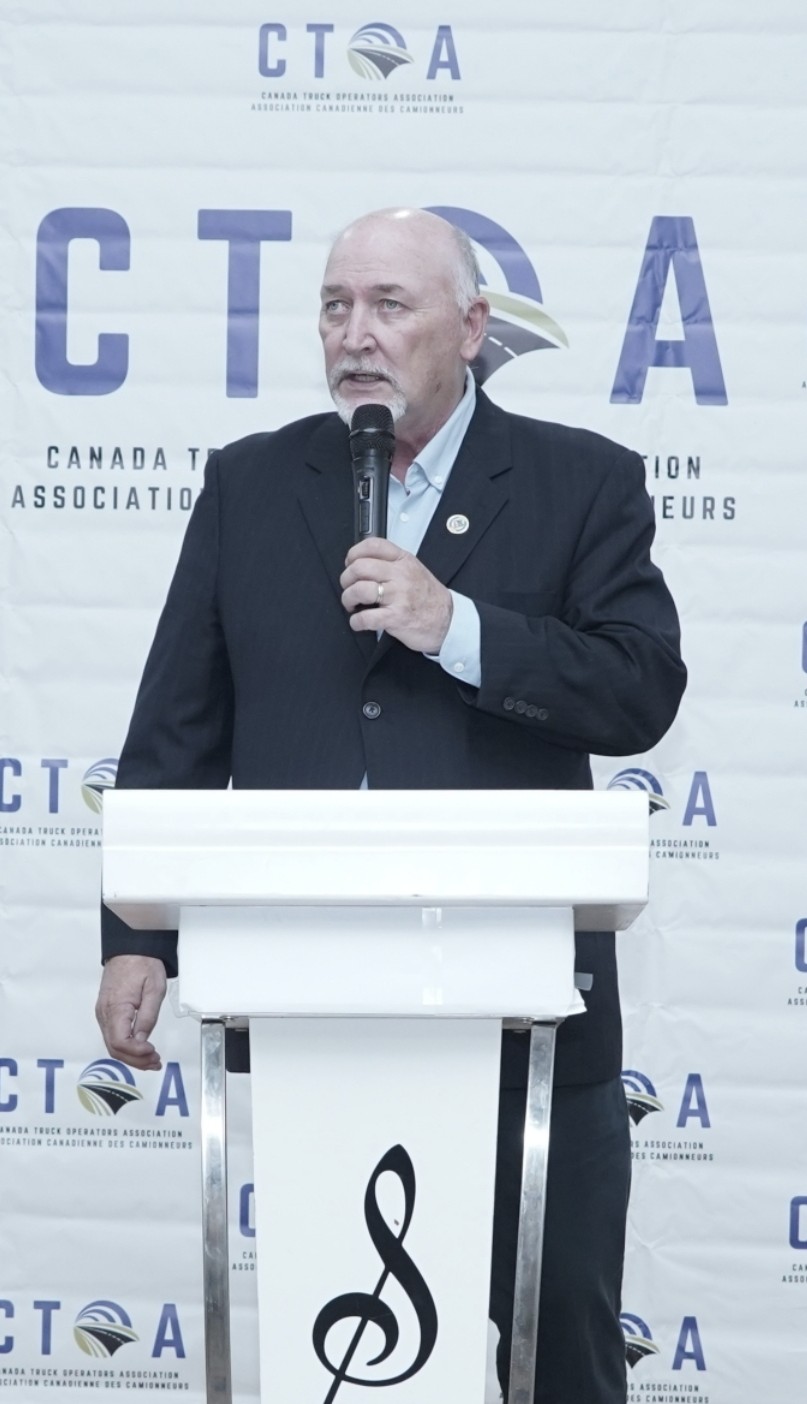 A key focus of the event was the need to strengthen driver training standards and oversight. Philip Fletcher, President of the Truck Training Schools Association of Ontario, addressed the importance of proper training, road safety, professional readiness and public confidence in the commercial transportation sector.
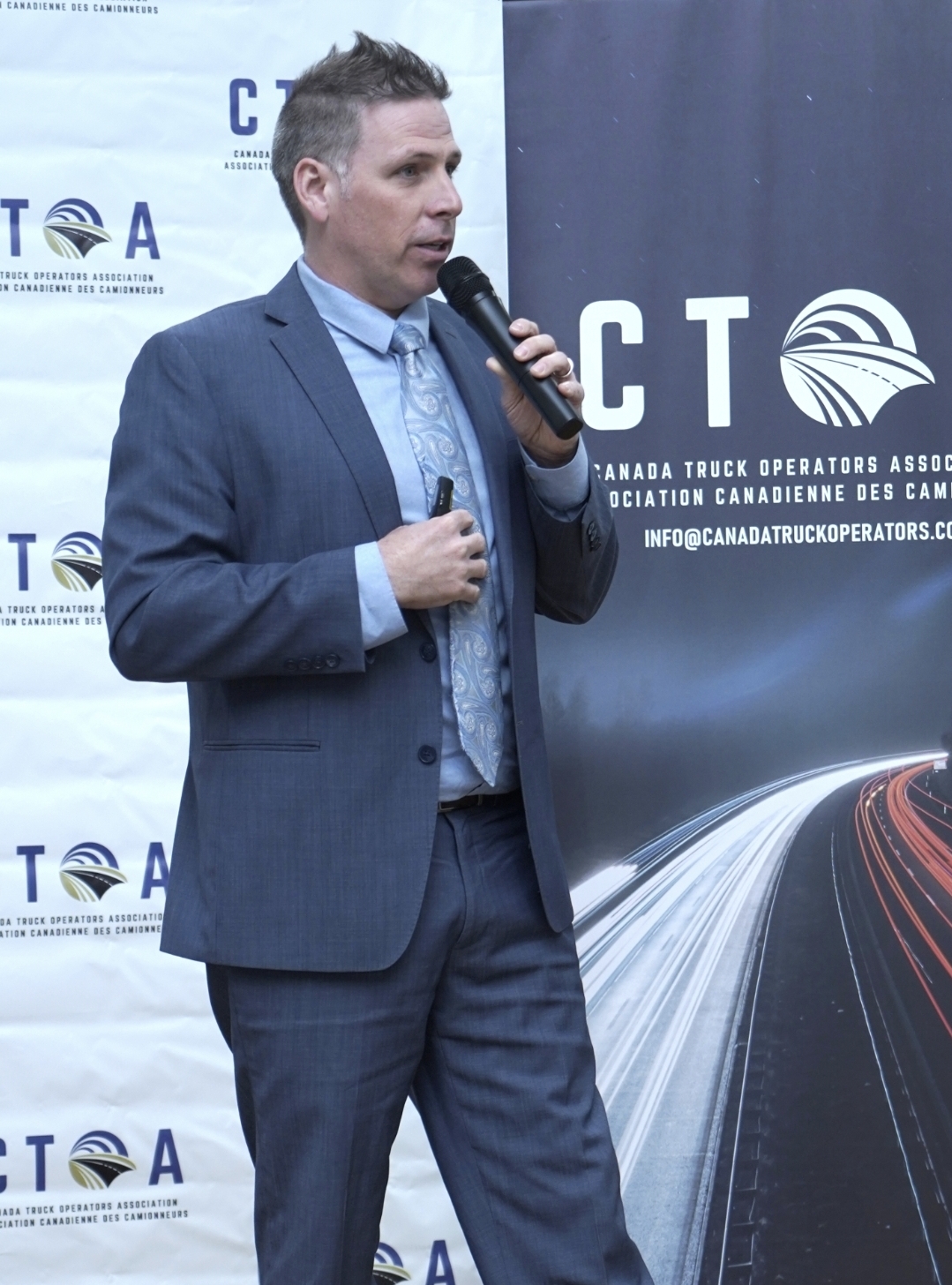 Chris Wilkinson, CEO of Nordrux Inc., spoke about fitness for duty, occupational health, human resources considerations and drug and alcohol testing awareness in safety-sensitive transportation operations.
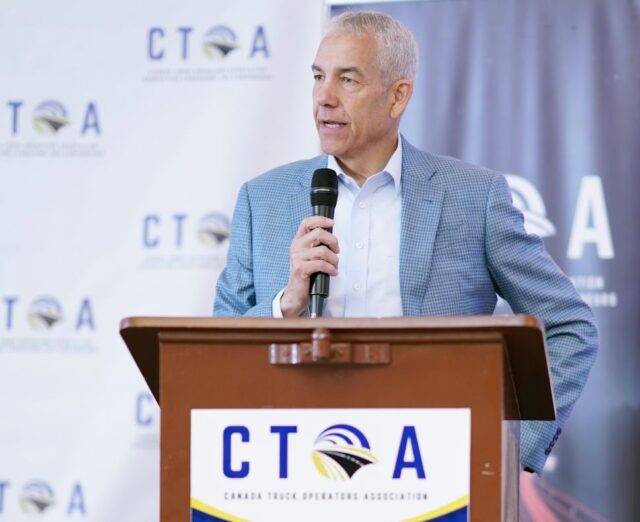
 The Honourable Marc Miller
 Additional officials in attendance included MP Sameer Zuberi, MNA Brigitte B. Garceau, and Mayor Alex Bottausci, reflecting engagement across all levels of government.
 “This industry is evolving, and our approach must evolve with it,” said Tej Dulat, representing CTOA leadership. “Businesses want clarity, workers want opportunity, and everyone wants to operate within a system that is fair, practical, and consistent. CTOA’s role is to help bring those realities into the conversation in a constructive and responsible way.”
 A Sector That Powers Canada