
Blog - CTOA

Bring to the table win-win survival strategies to ensure proactive domination. At the end of the day, going forward, a new normal that has evolved from generation.
truck-2a-2.jpg

December 5, 2025
The Canada Truck Operators Association (CTOA) acknowledges the Canada Revenue Agency’s (CRA)
announcement lifting the moratorium on T4A penalties for the 2025 tax year and beyond.
Compliance and proper reporting are essential to maintaining a fair and competitive trucking industry.
We support transparency and the principle that all businesses should meet their tax obligations.
CTOA members are committed to meeting reporting requirements. However, many small carriers and
independent operators will require time, clarity, and structured guidance to integrate the new T4A
processes into their operations. To date, operators have received limited information about how drivers,
contractors, and businesses will be supported or educated prior to enforcement, creating uncertainty
during an already challenging economic period.
This announcement highlights the need for clear guidance, education, and a realistic transition approach
for the thousands of small and mid-sized carriers across Canada. For years, these businesses have
operated under inconsistent interpretations from both CRA and ESDC, often relying on accountants,
advisors, and previous CRA guidance when making classification decisions.
CTOA urges CRA to ensure:
  • A reasonable transition period so carriers can adjust systems and reporting obligations
  • Clear, accessible, and timely guidance, especially for small and newcomer-owned businesses
  • Avoidance of regional stereotypes, which unfairly stigmatize the Greater Toronto Area. one of Canada’s largest freight hubs and a critical engine of the national supply chain
  • Consistency between CRA and ESDC, to prevent conflicting interpretations and unintended penalties.
  • Direct outreach and communication to incorporated drivers, ensuring they understand their rights, obligations, and available supports.
  • Regular engagement with industry stakeholders throughout the rollout and implementation period
The trucking industry moves the Canadian economy. Compliance measures must be implemented in a
manner that strengthens, not destabilizes, the supply chain, particularly during a period of economic
pressure and U.S.-driven trade disruptions.
CTOA looks forward to working with government, industry partners, and the broader supply chain to
ensure fair, balanced, and practical implementation of these new requirements.
Canada Truck Operators Association (CTOA)
About CTOA
CTOA represents the full spectrum of Canada’s trucking workforce, independent drivers, owner-operators, and small,
medium, and large fleets across multiple provinces. Our membership reflects the modern Canadian trucking industry:
diverse, inclusive, and built on professionals from every corner of the sector.

CTOA-brampton-photo-1280x1114.jpg

November 13, 2025

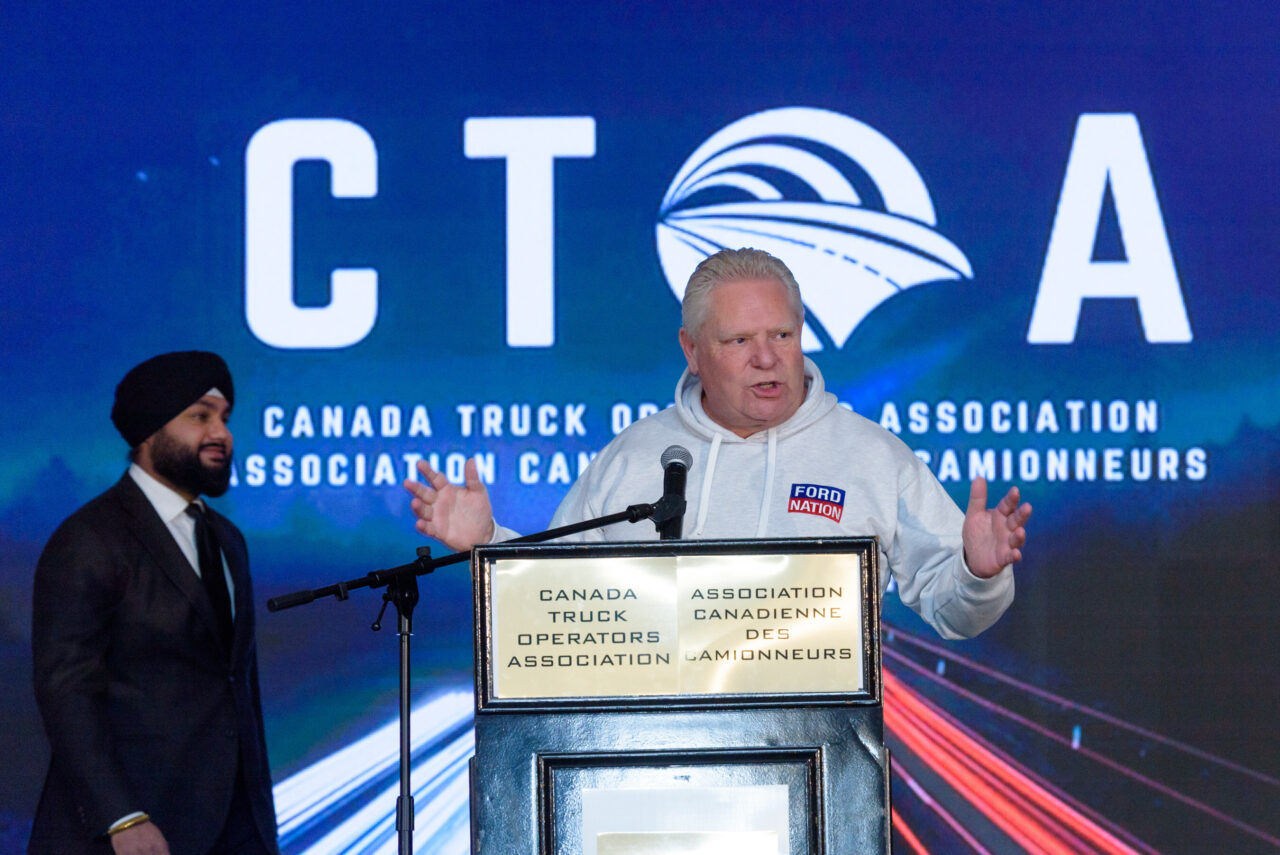
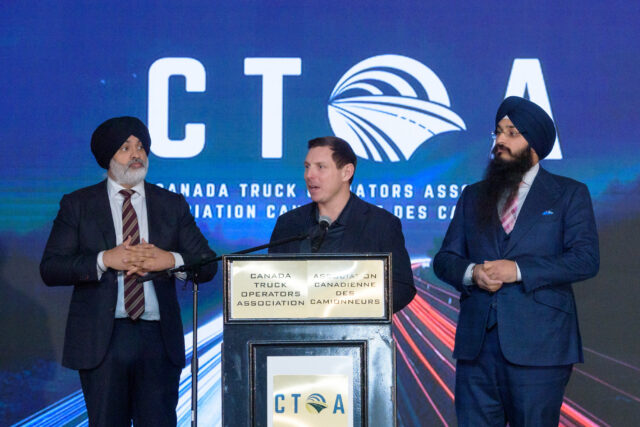
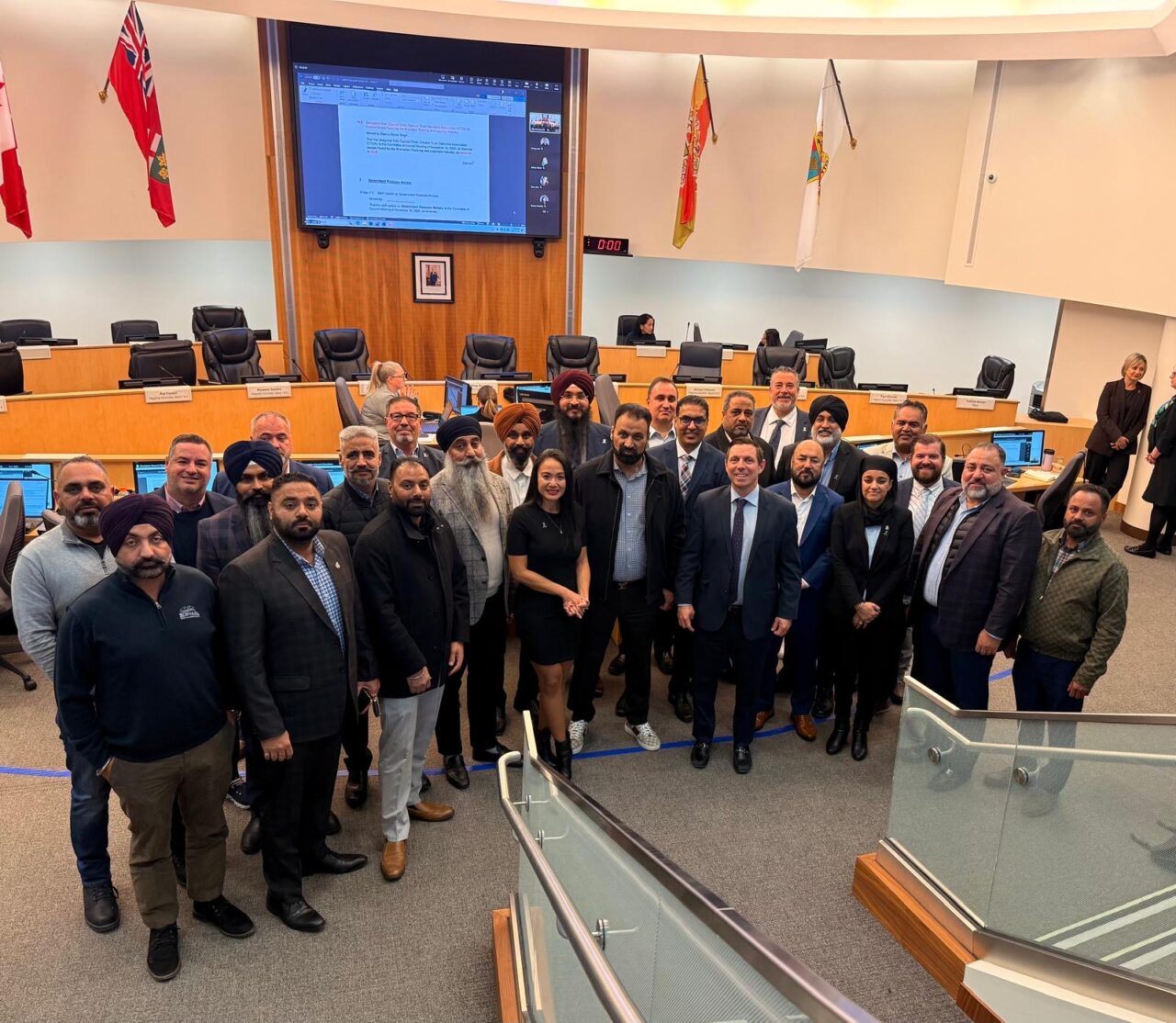
Brampton, ON – The City of Brampton Council has officially passed a motion recognizing the critical importance of the trucking and logistics industry to Brampton, the Greater Toronto Area, and Canada’s national supply chain. The motion follows a delegation by the Canada Truck Operators Association (CTOA), which highlighted growing concerns among drivers, owner-operators, and local trucking companies.

Brampton is not just a city, it is the engine of Canada’s supply chain. Every day, trucks leaving Brampton and the Greater Toronto Area move millions of dollars in goods across Ontario, to every province, and into the United States. From groceries and medical supplies to building materials and electronics, much of it starts here.

Because of this, what is happening in the trucking industry today affects not only Brampton but the entire country.

CTOA spokesperson Tej Dulat thanked Mayor Patrick Brown and Brampton City Council for their leadership.

“Truck drivers, owner-operators, and small businesses are the backbone of our economy. We are grateful that Brampton City Council has acknowledged their contribution and the challenges they are facing. Our message is simple, we need fair treatment, clear communication, and respect for the people who keep Canada moving,” Dulat said.

Key Issues Raised in the Presentation

Economic Importance: Every household in Brampton and the Greater Toronto Area is directly or indirectly connected to trucking, whether through a family member, a neighbour, or a small business that relies on steady supply lines.

We cannot afford policies that ignore this reality. Millions of dollars in goods move through the region every day. Confusion, misleading campaigns, and misinformation around trucking regulations impact drivers, small businesses, and thousands of Brampton-area families.

Mixing Separate Issues: CTOA highlighted that national conversations have improperly mixed three very different policy areas, creating unnecessary confusion and fear:

  • Safety, which is a provincial responsibility.
  • Immigration and work permit, which fall under IRCC
  • Tax compliance for incorporated drivers, which is handled by the CRA

The CRA recently clarified that incorporation is legal, and not an offence. The issue is compliance, education, not criminality. During the Transport Committee meeting in Ottawa, the Deputy Commissioner of the Canada Revenue Agency stated:

“If you are a trucker incorporated, it is not an illegal model. You just need to pay your taxes, and you cannot make some of the deductions.”

Harmful Language: CTOA raised concerns about terms such as “illegal drivers” and “cheaters” being used in discussions. These terms have been widely amplified on social media and have caused stress, division, and declining morale among drivers. Many long-haul drivers and newcomers, who already work in difficult conditions, now feel unfairly targeted and afraid to speak publicly.

Impact on Brampton Families: With economic uncertainty, rising expenses, and new pressures caused by U.S. tariffs, the trucking industry is already strained. Negative narratives and unclear policies risk weakening the supply chain and pushing more drivers out of the profession. This directly affects affordability, jobs, and household stability across Brampton and the GTA.

Next Steps:

The CTOA is calling on Ontario’s Ministry of Transportation and federal counterparts to:

  • Treat safety, immigration, and tax compliance as distinct policy areas.
  • Condemn and avoid harmful terminology used by a few during committee meetings and on social media, such as “illegal drivers” or “cheaters,” and focus instead on fair and proper enforcement.
  • Engage directly with Ontario-based industry organizations, including those representing diverse communities and front-line drivers, before introducing future legislative or regulatory changes.

“Long haul drivers work long hours, spend weeks away from family, and face every kind of weather and challenge to keep shelves full and our economy strong. They deserve fairness and dignity, not stigma,” Dulat added.


About the Canada Truck Operators Association (CTOA)

The CTOA’s mission is to ensure all voices in the trucking industry are heard, including drivers, owner-operators, and small to large carriers. We believe in inclusive decisionmaking on policy, regulatory, and legislative issues, and in ensuring that those speaking for the industry reflect its diverse and rapidly growing workforce.


fa7c95_f837e286e87b453080515a96b98a2604mv2.png

March 7, 2025

WHAT: Press conference highlighting the ongoing encampment protest of international student graduates fighting deportation and calling for immigration policy reform. Labour leaders and community organizations will stand in solidarity with these individuals, who are critical contributors to Canada’s economy, including the trucking industry.

WHEN: Wednesday, November 27, 2024 at 11:00 a.m.

WHERE: 295 Queen St. E, Brampton (off the 410, next to Zimidar Bar & Grill)

WHO:

  • Bob Punia, Executive Director, Ontario Dump Truck Association

  • Sarbjit Kaur, Canada Truck Operators Association

  • Laura Walton, President, Ontario Federation of Labour

  • Carolyn Egan, President, United Steelworkers Toronto Area Council

  • Jessica Cooper, President, Peel local of Elementary Teachers Federation of Ontario

  • Simrat Kaur, International student graduate, PGWP Committee member

  • Mehakdeep Singh, International student graduate, PGWP Committee & Naujawan Support Network member

WHY: Over 200,000 international student graduates across Canada are at risk of deportation as their Post-Graduate Work Permits (PGWPs) expire in 2024 and 2025. These individuals worked essential jobs during the COVID-19 pandemic, including within the trucking sector, which is already facing critical labour shortages.

The Canada Truck Operators Association (CTOA), and Ontario Dump Truck Association (ODTA) alongside nearly 50 labour unions, stands with international student graduates, are deeply concerned about the impact of recent immigration policy changes on Canada’s trucking industry and the national economy. The trucking industry relies heavily on a skilled, diverse workforce—a need that immigration has consistently addressed. Without immediate action, these changes could worsen labour shortages and disrupt supply chains.

For More Information:

Contact: Sarbjit Kaur, KAPOW Communications 


1435a3_1286c22e1e9e446a8aaed44d7aced1famv2.png

September 8, 2024

The Canada Truck Operators Association (CTOA) joins other leading members in the goods movement industry on the Peel Goods Movement Task Force.

“We look forward to working with the region, as well as Caledon, Brampton, and Mississauga. It is an honour to have CTOA appointed to the Task Force,” CTOA Executive Director Jaskaran Sandhu shared.
According to the Region of Peel, four out of ever nine jobs depend upon the movements of goods in Peel Region, and approximately 68,000 vehicles transport goods along Peel Region roads.
Home to the Pearson International Airport, major manufacturing and warehousing, and some of the largest goods movement hubs in Canada, the decisions made in Peel impact the goods movement industry far beyond the region.
“We are proud to bring our unique trucking perspective to the table, and ensuring decision makers at the Region have all the information they need to continue making decisions that uplift the entire industry,” Sandhu said.
The CTOA is also a stakeholder with the MTO and Federal

1435a3_9c192d9a8633472493e5f236aef616c9mv2.png

August 7, 2024

Federal Labour Minister Seamus O’Regan and several MPs met with members of the Canada Truck Operators Association (CTOA) this week, discussing the roles of incorporated truck drivers and vowing to end references to “Driver Inc.” when referencing how drivers are classified.

The meeting, held May 23 at MP Iqwinder Gaheer’s (Mississauga-Malton) office, included representatives from more than 20 CTOA member carriers, the labour minister, and MPs Charles Sousa, Sonia Sidhu, and Ruby Sahota, in addition to the host.
It came just one week after the Canadian Trucking Alliance (CTA) and Teamsters held a strongly worded press conference at Parliament Hill, condemning the misclassification of truck drivers under the scheme that CTA has labeled Driver Inc. But that’s not language you’ll hear from the federal government, according to CTOA leader Jaskaran Sandhu, who shared details of the meeting with TruckNews.com.
“There were a few things [O’Regan] made very, very clear in that meeting,” Sandhu said. “First and foremost, he assured and promised the industry and our association that from here on in, the term Driver Inc. will never be used by the government. It is a deeply problematic term that unfairly maligns incorporated drivers. In fact, they stated you may have already noticed they don’t use that term anymore after learning how it was weaponized within some circles of our industry.”

Incorporated drivers ‘not going anywhere’

Furthermore, Sandhu said carriers received assurances that “incorporated drivers as a model within the industry is not going anywhere. It will continue to be an important part of how the government sees the labor shortage being tackled in the industry.”
Government officials also indicated incorporated drivers will have to meet criteria that establishes them as independent operators – not employee drivers. Enforcement, however, will be educational in nature and, according to Sandhu, will not be “targeted” against any segment of the industry. Any enforcement action from the Ministry of Labour’s Employment and Social Development Canada (ESDC) will only be prompted from complaints originating from within a trucking company.
“The government was clear, and our association agrees, that where there is misclassification as per the existing rules, the government will work with carriers to solve those problems,” Sandhu said.
“Drivers who knowingly and freely choose to work as independent contractors are legitimate and recognized. Tackling worker misclassification means cracking down on the bad actors who deny labor rights to their employees by designating them as independent contractors. We’re taking an education-first approach to enforcement, so we can support drivers and root out those giving independent contractors a bad name,” the labor minister’s office said in a statement to TruckNews.com.

Education-driven responses

Educational initiatives were discussed, such as a seminar the CTOA will host alongside the government to raise awareness about the issue of driver misclassification.
“Enforcement is going to be education-driven, not the kind of clampdown I think some people thought government was going to do. Much more education-driven,” Sandhu said. “The government knows and understands this issue is much more complex than is being presented by legacy organizations.”
The association was assured that enforcement initiatives will originate from employee complaints.
“There is no targeted campaign coming,” Sandhu said. “We are happy to work with [government] to make sure when people are choosing to be an incorporated driver it is something done out of choice.”
He added, “the government recognized the manner in which the incorporated driver model has been labeled as something that is exploitive is patently false, that in most cases drivers are choosing to be incorporated and they enjoy a lot of the freedoms that amount to an independent relationship.”
A spokesman from O’Regan’s office confirmed to TruckNews.com, speaking on background, that the meeting took place, and that the term Driver Inc. won’t be used by government as the term has been deemed “toxic” and doesn’t reflect the gig economy beyond the driving profession.

1435a3_422e59d1ff8841ed8d7751991f835c14mv2.png

July 7, 2024

The Canada Truck Operators Association (CTOA) has been appointed to the newly formed Towing and Trucking Industry Advisory Committee at the City of Mississauga.

CTOA Executive Director Jaskaran Sandhu will be sitting on the committee on behalf of the Association.

The Committee was expanded beyond towing to include members of the trucking industry this year, as the goods movement sector plays a significant role in the cities economy and brings its own unique challenges and opportunities in Mississauga.
“The new advisory committee will tackle various issues impacting the trucking industry in the city, which is an important logistics hub in the region and province. We thank City Council for the appointment, and we will use the role to ensure that the voice of truckers are heard loud and clear on various municipal issues,” Sandhu said.
The CTOA also sits on the Peel Goods Movement Taskforce, and is a stakeholder with the MTO and the Federal Government.