
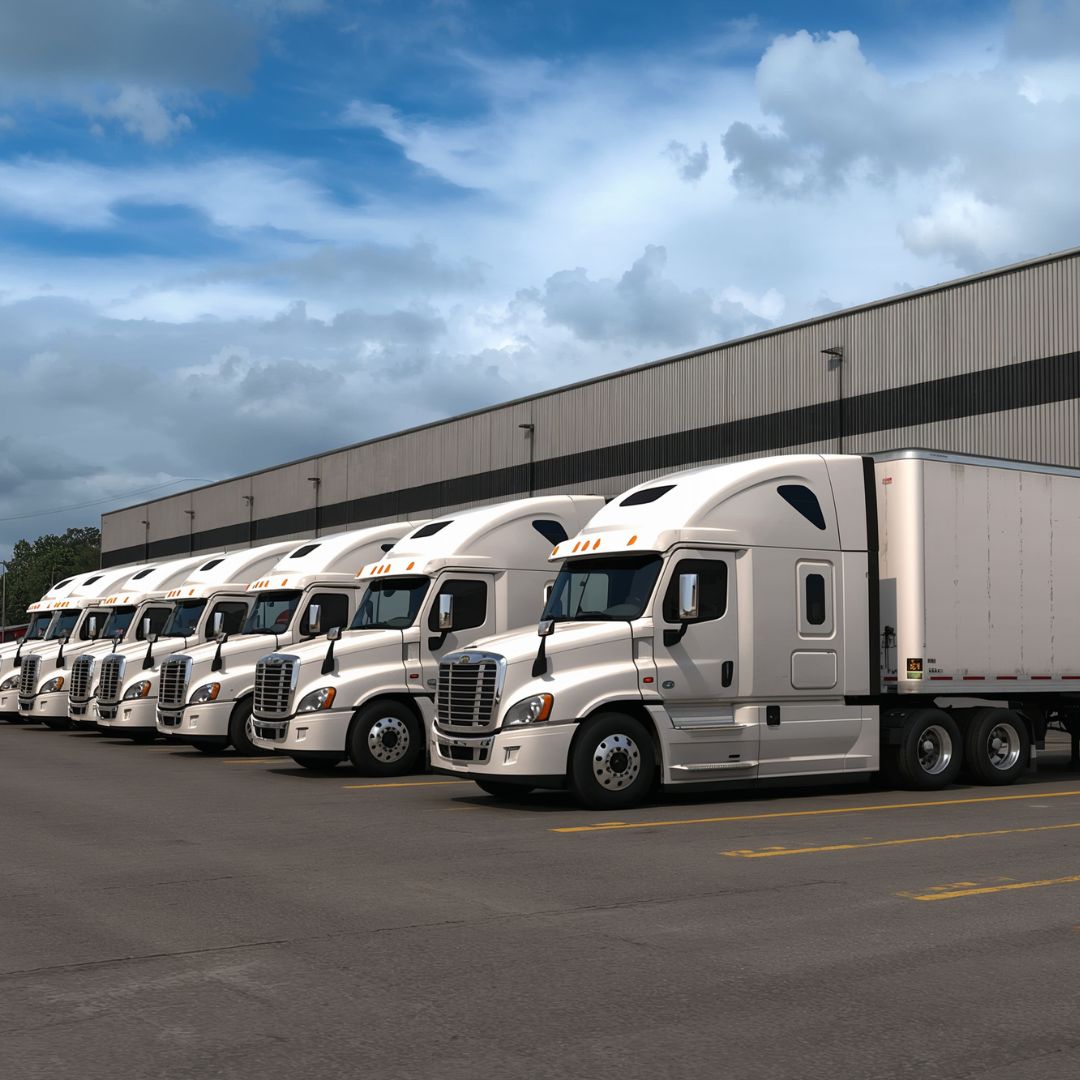
Several carriers report experienced long-haul driver gaps as high as 17 to 20 per cent, with reefer and flatbed operations among those affected, CTOA calls for stronger retention, better data and direct representation for small and mid-sized carriers
OTTAWA, ON, November 5, 2026 :- Some Canadian trucking companies say they may have to park some of their equipment this winter if they cannot find or retain experienced long-haul drivers, the Canada Truck Operators Association (CTOA) warned today.
In recent weeks, several CTOA member carriers and non-member trucking companies have contacted the association reporting experienced long-haul driver shortfalls ranging from 17 to 20 per cent relative to the drivers needed to operate their current fleets. Carriers operating refrigerated, or reefer, and flatbed equipment are among those reporting particular difficulty.
These reports are direct industry feedback, not a national shortage estimate. Published labour-market data combines long-haul, local and other transport truck drivers and does not currently provide a separate national measure of the long-haul workforce.
“More drivers are working in Canada overall, and that is good news,” said Tej Dulat, Director of Government & Public Affairs at CTOA. “The challenge carriers are describing is more specific. It is finding and retaining experienced drivers for particular long-haul operations, including reefer, flatbed and cross-border work. When those drivers cannot be replaced, trucks can end up sitting in the yard.”
On October 22, CTOA wrote to Minister of Jobs and Families Patty Hajdu asking that small and mid-sized carriers have direct representation in federal discussions developing trusted-employer and trucking workforce criteria.
“CTOA can bring government direct grassroots information from small and mid-sized carriers that are hiring drivers, operating equipment and dealing with these pressures every day,” Dulat said. “That perspective can help identify where genuine shortages exist and how policy is working on the ground.”
Experienced driver pool is tightening
Trucking HR Canada data shows transport truck driver employment rose to about 350,500 in the third quarter of 2026, from 336,000 a year earlier.
At the same time, the number of experienced drivers actively looking for work fell from approximately 15,600 to 11,100. Driver unemployment declined to 3.1 per cent, compared with 6.7 per cent nationally.
There were approximately 13,780 vacant transport truck driver positions in the second quarter of 2026, up from 12,615 a year earlier.
The workforce is also aging. About one-third of transport truck drivers were 55 or older in the 2021 census, according to Trucking HR Canada, while federal Job Bank data indicates 48 per cent are age 50 or older.
The pressure varies across regions. In 2025, average job vacancy rates in truck transportation were 6.0 per cent in British Columbia, 4.9 per cent in Manitoba, 4.7 per cent in Saskatchewan and 4.6 per cent in Alberta, compared with 2.7 per cent in Ontario.
CTOA cautions that these broad provincial figures do not distinguish between local and long-haul driving or specialized operations. In Ontario, carriers are still reporting difficulty finding experienced long-haul drivers, particularly for reefer and flatbed operations.
These differences reinforce the need for better labour-market data separating local driving from long-haul work and providing greater visibility into specialized segments.
Higher wages, but vacancies remain
The average offered wage for full-time transport truck driver vacancies reached a record $30.20 an hour in the first quarter of 2026, according to Statistics Canada. Almost three in ten driver vacancies had been advertised for 90 days or longer.
CTOA says compensation remains important, but retention, training, working conditions, demographics and experience requirements also need attention.
For specialized long-haul operations, carriers report that insurer experience requirements, cargo handling, load securement and route experience can further reduce the pool of suitable drivers.
Freight demand remains uneven across lanes and sectors. If it strengthens while the experienced long-haul driver pool continues tightening, carriers could face a more significant capacity constraint.
Retention and timely workforce decisions
CTOA is calling for greater emphasis on retaining experienced drivers already legally working in Canada, alongside stronger Canadian recruitment, training and mentorship focused on long-haul careers.
Immigration and the Temporary Foreign Worker Program should remain one component of that broader strategy where employers can demonstrate genuine need.
Service Canada reported average Labour Market Impact Assessment (LMIA) processing times in September of 98 business days for high-wage applications and 82 business days for low-wage applications across all sectors. Those times exclude required recruitment and advertising before an application and the work permit process that may follow.
CTOA says government and industry should work together to identify genuine workforce needs while maintaining worker protections and program integrity.
CTOA has also heard from smaller carriers that long-haul requirements, including insurer experience standards, can be difficult to navigate within existing program criteria.
With the federal Recognized Employer Pilot scheduled to conclude December 31, 2026, CTOA says future trusted-employer criteria should be based on verifiable evidence rather than membership in any particular industry association.
Relevant factors could include documented Canadian recruitment, satisfactory safety standing, payroll and T4 compliance, workers’ compensation clearance and valid fleet insurance, with a reasonable probationary pathway for newer compliant carriers.
“We are not asking government to lower the bar,” Dulat said. “We are asking to help build the right bar, one that protects workers, rewards compliance and recognizes genuine workforce needs across Canada.”
Capacity pressure could carry into 2027
ACT Research figures cited by Arrive Logistics show Canada’s tractor count was down 3.0 per cent year over year in October, with a decline of approximately 2.6 per cent expected for 2026.
Fuel and energy costs have been a major contributor to recent transportation price increases. A tighter pool of experienced long-haul drivers could add capacity and cost pressure if equipment is parked while demand strengthens.
Forecasts, including C.H. Robinson’s 2027 truckload outlook, point to tighter conditions, including in refrigerated and flatbed markets.
“A truck without a qualified driver is not usable transportation capacity,” Dulat said. “If equipment sits while freight demand strengthens, the impact moves beyond trucking companies to shippers, manufacturers, retailers and ultimately Canadians who depend on a reliable supply chain.”
CTOA is calling for:
- Better labour-market data separating long-haul from local driving and specialized segments such as reefer and flatbed,
- Stronger retention pathways for experienced drivers already legally working in Canada,
- Canadian recruitment, training and mentorship focused on long-haul skills,
- Timely, evidence-based workforce decisions for compliant employers, and
- Direct representation for small and mid-sized carriers in federal workforce and trusted-employer discussions.
About the Canada Truck Operators Association
The Canada Truck Operators Association (CTOA) represents trucking companies, small and mid-sized fleets, owner-operators, drivers and transportation stakeholders across Canada. CTOA advocates for safe roads, fair and evidence-based regulation, workforce stability and a strong Canadian supply chain.
Together, We Keep Canada Moving.
Media Contact
Jas Kaur
Canada Truck Operators Association
jas.kaur@thectoa.ca
416-443-0042
thectoa.ca